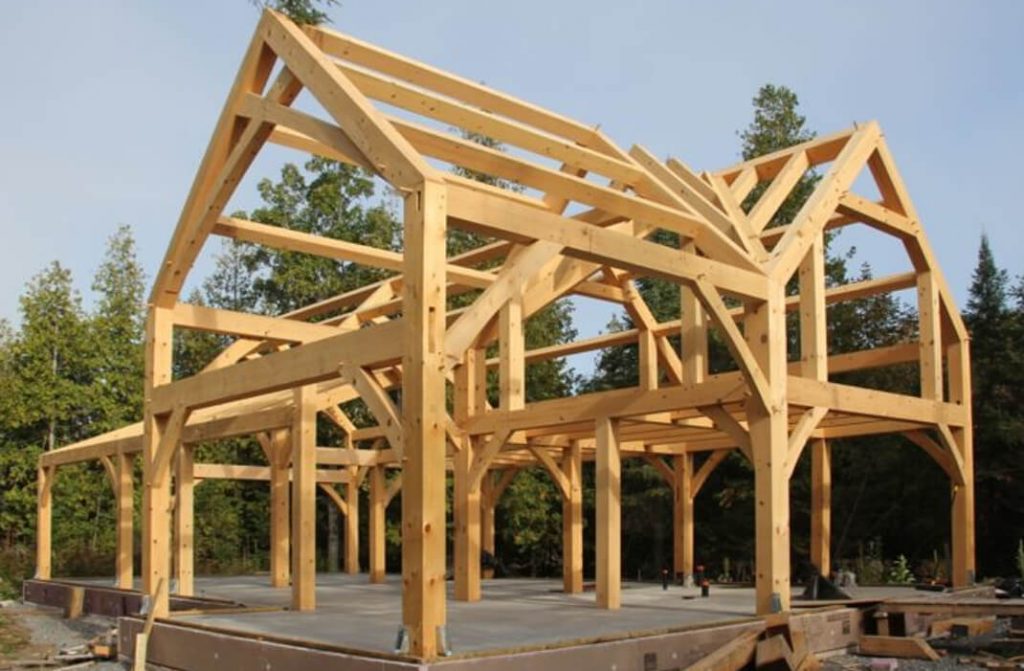
Timber framing is a way of building structures with large wooden members. It is very common in historical structures but has largely been replaced by the use of dimensional lumber (e.g. 2x4s). There are, however, groups and companies who still build timber frame structures today. If you are interested, I reccomend you check out the […]
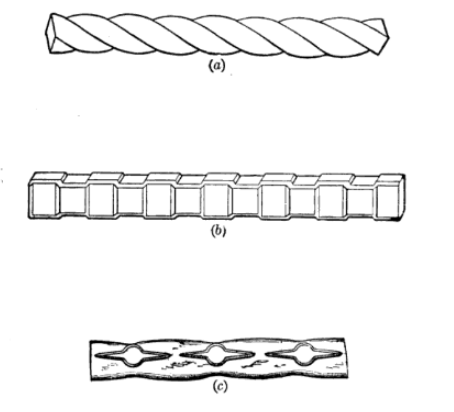
Rebar is a critical component of modern reinforced concrete. Concrete is generally very strong in compression but not in tension so steel reinforcing is required to take the tensile load. The physics of the mechanical bond that transfers load between the concrete and steel is very complex and is very dependent on the pattern of […]
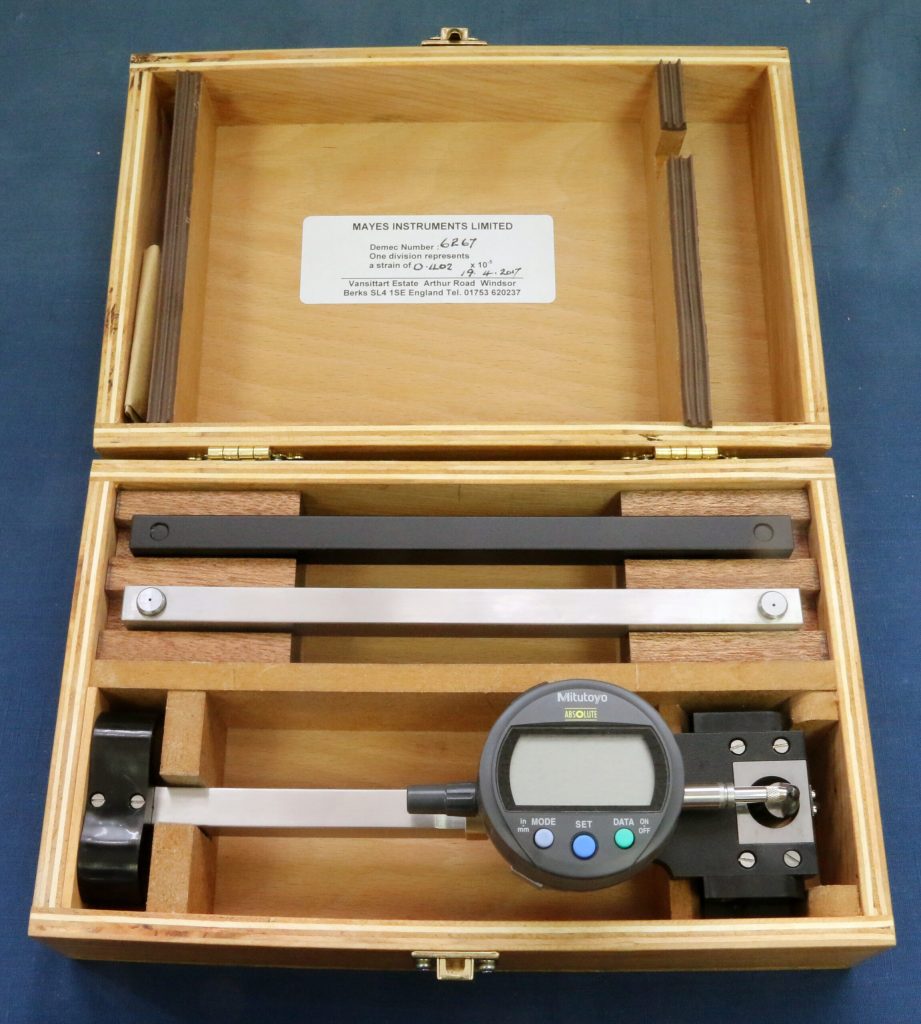
A DEMECĀ (DEmountable MEChanical) strain gauge is a device for monitoring strain in concrete or masonry structures. They generally have gauge lengths like100mm, 200mm, 500mm, etc. There are small metal discs (or other shapes) with small indents that are epoxied or otherwise attached to the structure. There is a bar which is used to set the […]
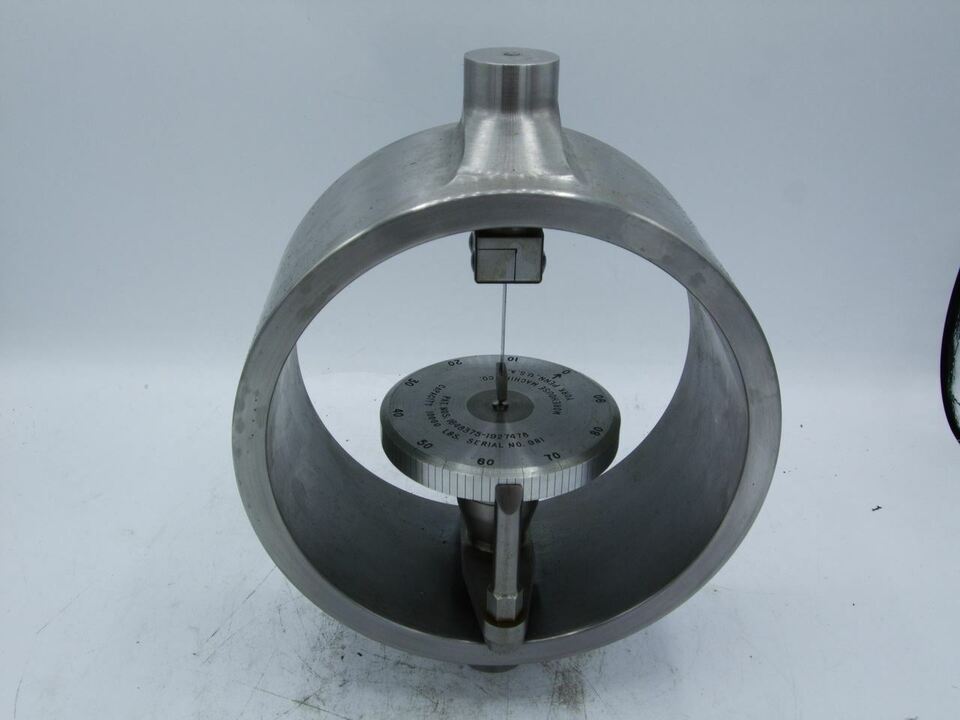
Proving rings are very simple mechanical devices for measuring force. Due to their simplicity, they are often used as calibration standards for other force measurements. Here’s an article from NIST on the history of proving rings (How did the Proving Ring Come About | NIST). Large proving rings are beautiful examples of precision machining. Morehouse […]
HP calculators aren’t for everyone, but many engineers wouldn’t use anything else. The Museum of HP Calculators has lots of interesting information. Of particular interest is the HP-01 which was the first calculator watch released in 1977. You can find them listed on eBay today for thousands of dollars. If you are a fan of […]